10 Nov,2026
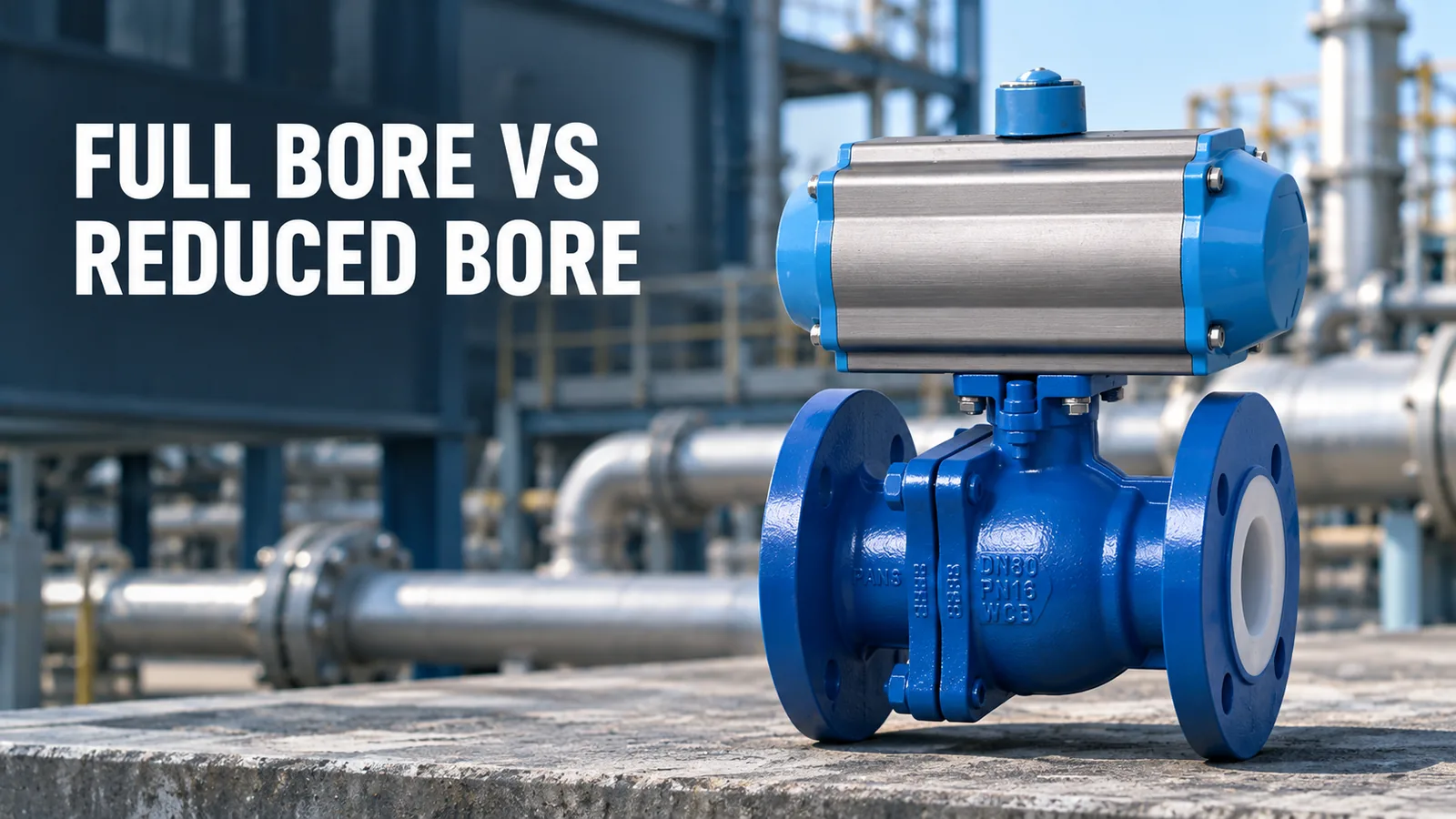
Full Bore vs Reduced Bore Ball Valve: Which to Choose?
Quick Answer For many ball-valve projects, full bore is the safer starting point when the line must pass a pig, keep pressure loss low, or stay close to the pipe bore. Reduced bore can be the better choice for compact isolation duty when a smaller passage is acceptable and the allowed pressure drop is confirmed. […]
13 Oct,2026
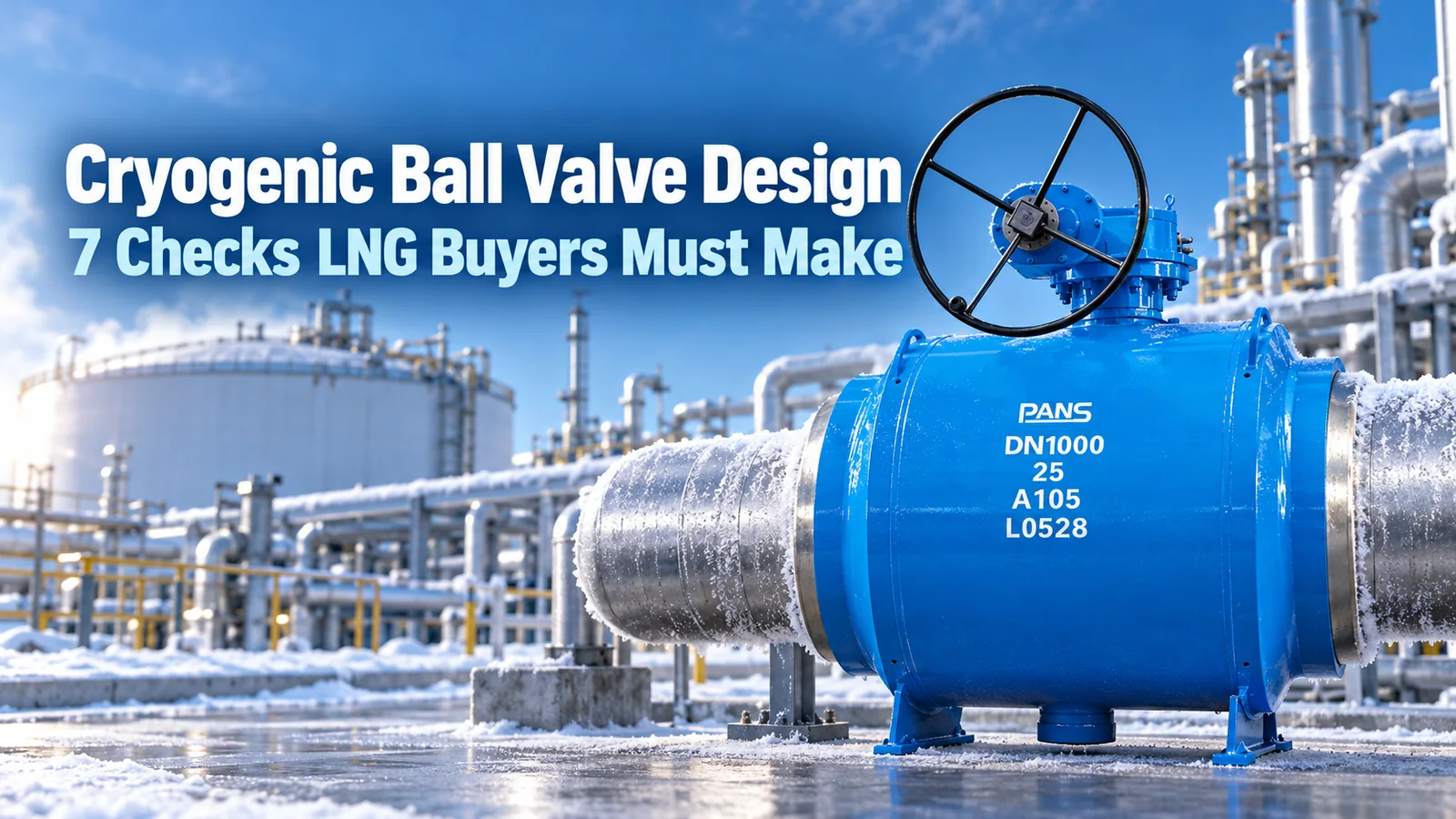
Cryogenic Ball Valve Design: 7 Checks LNG Buyers Must Make
Quick Answer A cryogenic ball valve design is suitable for LNG only when the complete valve configuration is qualified for the minimum service temperature. Verify material suitability for the minimum design temperature. Review grades, heat treatment and traceability, together with impact-test results where required, or the documented exemption permitted by the applicable code and project […]
08 Oct,2026
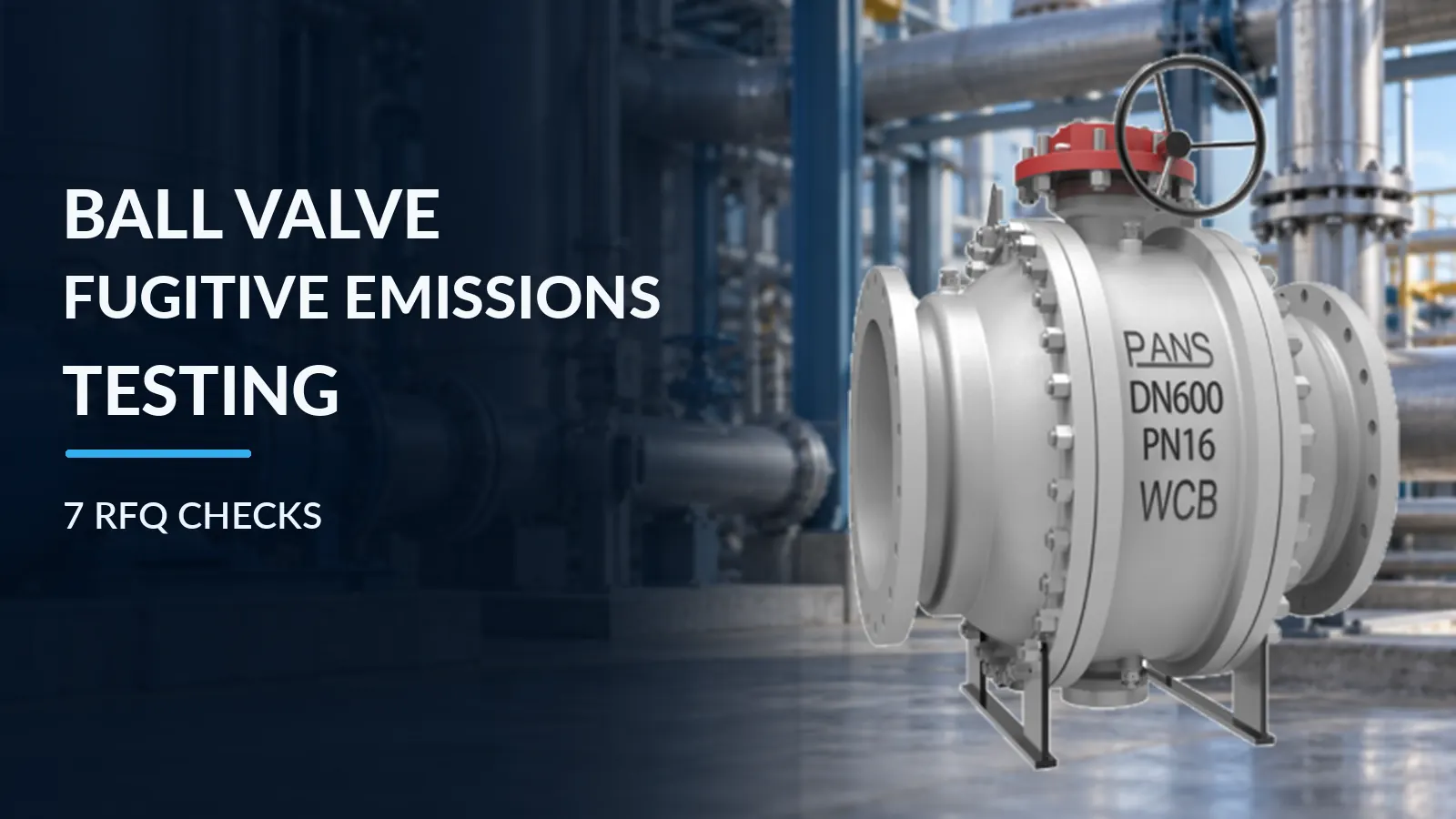
Ball Valve Fugitive Emissions Testing: 7 RFQ Checks Before You Approve a Quote
Quick Answer: A low-emission ball valve is only as strong as its evidence. Match the test standard to the valve design, confirm the report covers the exact size, class, materials and stem seal you are buying, and separate type-test qualification from production testing. A logo is not a report for the valve you will install. […]
07 Oct,2026
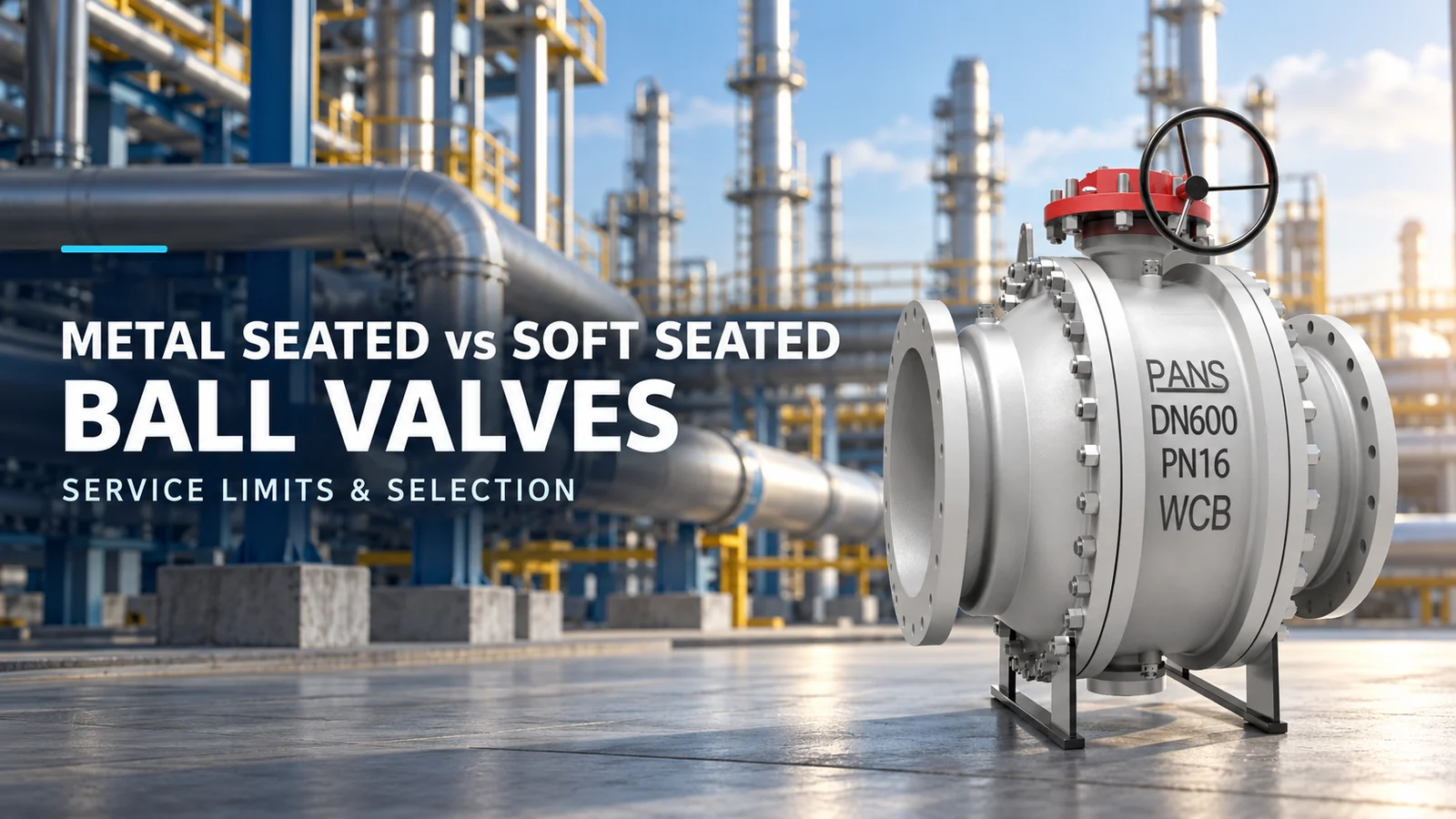
Metal Seated vs Soft Seated Ball Valve: Which Should You Buy?
Quick Answer In the metal seated vs soft seated ball valve decision, the seat sets the practical limit. A soft seat uses a polymer ring against the ball for tight shutoff and low torque at lower cost, but heat, pressure, solids and chemical attack shorten its life. A metal seat uses hard-faced metal contact for […]
26 Jun,2026
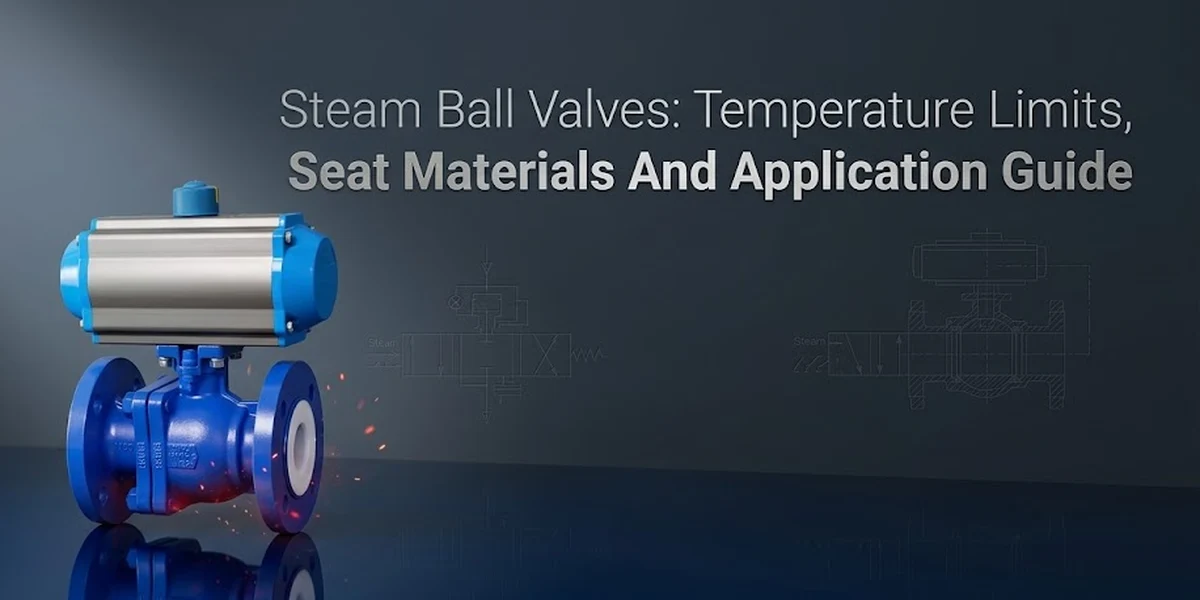
Steam Ball Valves: Temperature Limits, Seat Materials, and Application Guide
A steam ball valve can work in steam service only when its seat, packing, body material, and pressure class match the actual line temperature. Soft seats may fit clean, saturated steam. However, superheated steam, dirty condensate, and frequent cycling often need a metal-seated ball valve. For smaller on-off steam isolation duties, buyers can start by […]

06 Apr,2026
Top 10 Ball Valve Manufacturers in Europe
If you’re responsible for valves on a major project, you know one thing: choosing the wrong supplier can cost you far more than the price of a single valve. Europe is home to some of the world’s most established ball valve manufacturers, serving oil & gas, petrochemical, power, district heating, and general industrial plants. For […]
03 Apr,2026
How to Decode Ball Valve Markings? Understanding CWP & WOG
Ball valve markings show how much pressure and temperature a valve can safely handle. The markings like WOG and CWP tell you whether a valve is suitable for water, oil, gas, or controlled temperature systems. If you understand these markings, you can choose the right valve and avoid costly mistakes. This guide explains the key […]
26 Mar,2026
Are Ball Valves Directional? How Flow Direction Works
Yes, some are, and some are not. That is the short answer. This guide explains how ball valves control flow, when direction matters, how to read open and closed positions, and how to choose between floating and trunnion designs. It also helps beginners avoid common installation mistakes and understand what the right design can do […]
12 Mar,2026
Can Ball Valves Be Used for Throttling? Pros and Cons
Image URL: https://notebooklm.google.com/notebook/54d63303-f765-4521-8a20-4adb2031e5d0 Yes, a standard ball valve can reduce flow, but it is usually not the best choice for long throttling duty. This guide explains when it can work, why it often fails, and when a globe valve, V-port valve, or segmented design is a better option. You will also learn the main pros, […]
Search
Categories
Tags
Product
- Ball Valve
- Floating Ball Valve
- Fully Welded Ball Valve
- Trunnion Ball Valve
- Butterfly Valve
- Full Metal-Seated Bi-Directional Butterfly Valve
- High Performance Butterfly Valve
- Three-Eccentric Metal Hard Seal Butterfly Valve
- Check Valve
- Cast Lift Check Valve
- Cast Swing Check Valve
- Wafer Type Check Valve
- DIN Valve
- DIN Bellow Sealed Globe Valve
- DIN Globe Valve
- DIN Rising Stem Gate Valve
- DIN Swing Check Valve
- Forge Valve
- Forged Check Valve
- Forged Floating Ball Valve
- Forged Gate Valve
- Forged Globe Valve
- Gate Valve
- Bellow Sealed Gate Valve
- Flat Gate Valve
- Wedge Gate Valve
- Globe Valve
- Cast Globe Valve
- Plug Valve
- Eccentricity Plug Valve
- Inverted Pressure Balance Lubricated Plug Valve
- Orbit Plug Valve
- Sleeve Type Plug Valve
- Slurry Valve
- Slurry Valve
- Strainer


