06 Nov,2026
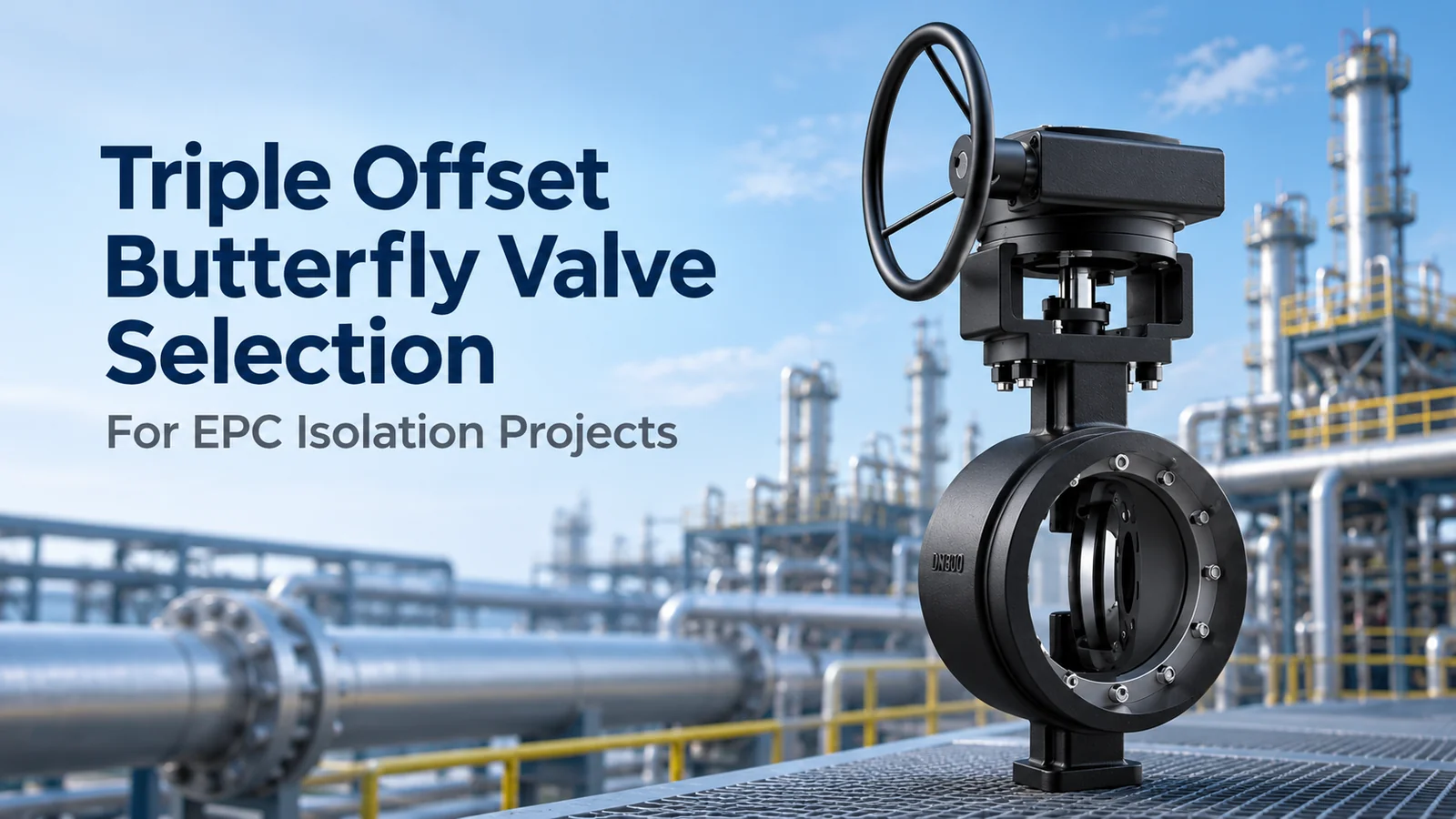
Triple Offset Butterfly Valve Selection for EPC Isolation Projects
Quick Answer Choose a triple-offset butterfly valve when isolation duty needs metal sealing, frequent operation, and a disc that lifts clear of the seat before rotating. Confirm the seat construction, pressure-temperature envelope, leakage test, fire requirement, and actuator torque for the exact model—not the family name. PANS offers three-eccentric and full metal-seated bidirectional constructions; the […]
05 Nov,2026
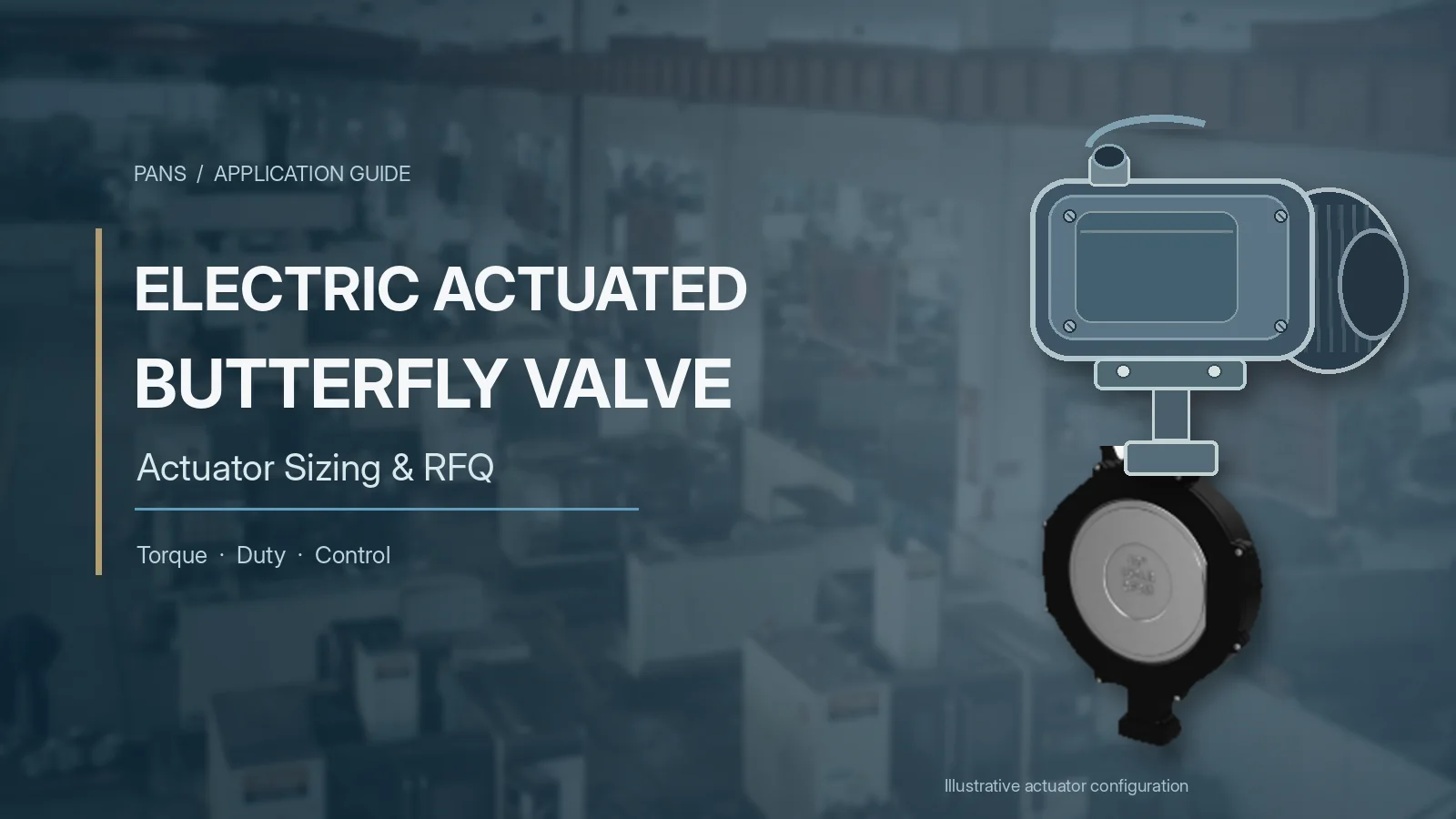
Electric Actuated Butterfly Valve: Sizing and RFQ Guide
Quick Answer Electric actuated butterfly valve selection starts with valve torque at the worst differential pressure and temperature, then matches an actuator that can deliver it at the available power supply and required duty. On/off service, modulating control, fail-safe position, feedback and environment each change the specification. PANS butterfly valves are supplied with the actuator […]
04 Nov,2026
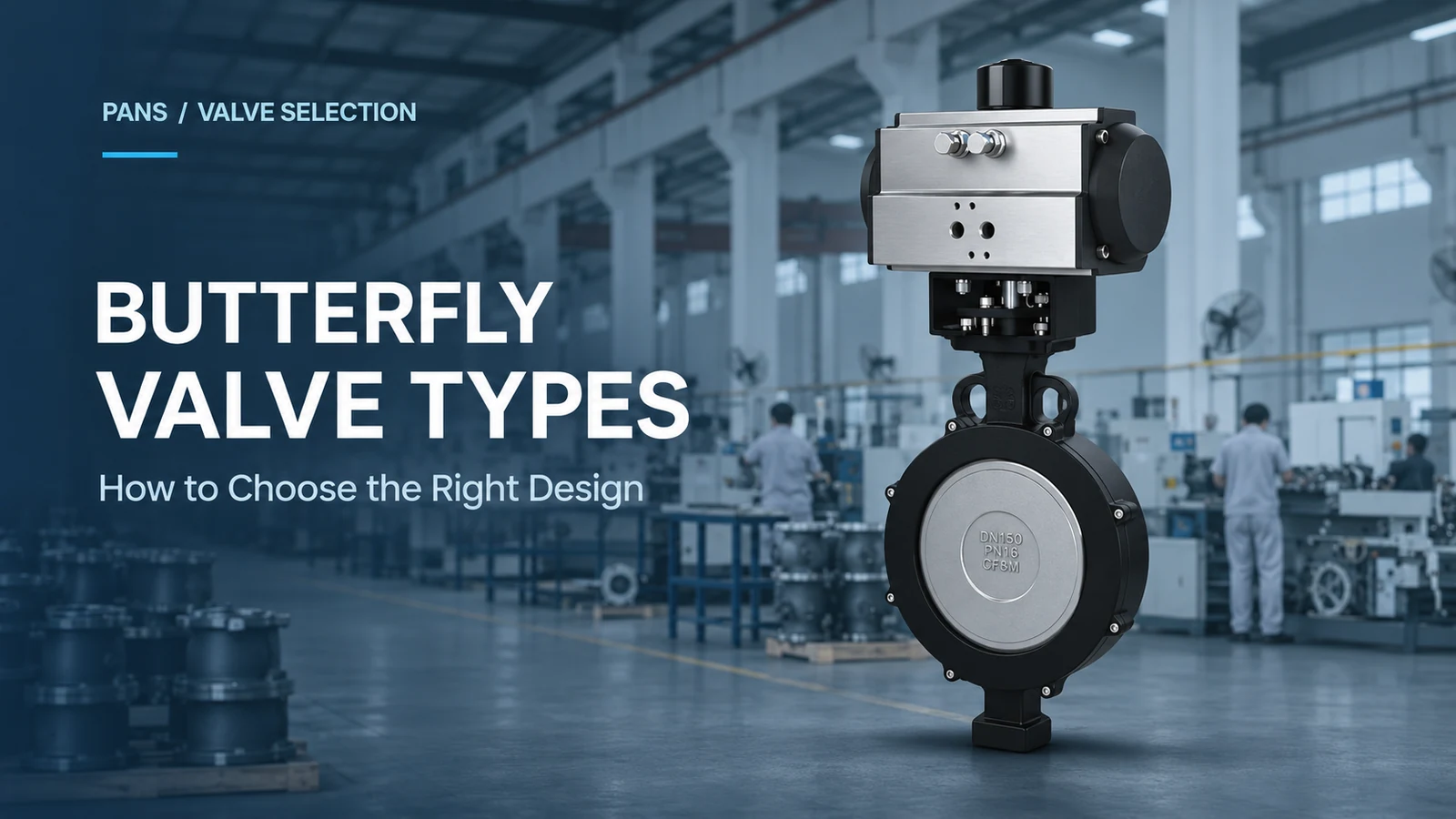
Butterfly Valve Types: How to Choose the Right Design
Quick Answer Butterfly valve types are usually grouped by body geometry: concentric, double-offset, and triple-offset. That describes how the disc moves and meets the seat, not how the valve performs. Seat material, pressure and temperature, differential pressure, closure tightness, cycle frequency, and end connection decide the specification. Start with the service, then choose the geometry. […]
03 Nov,2026
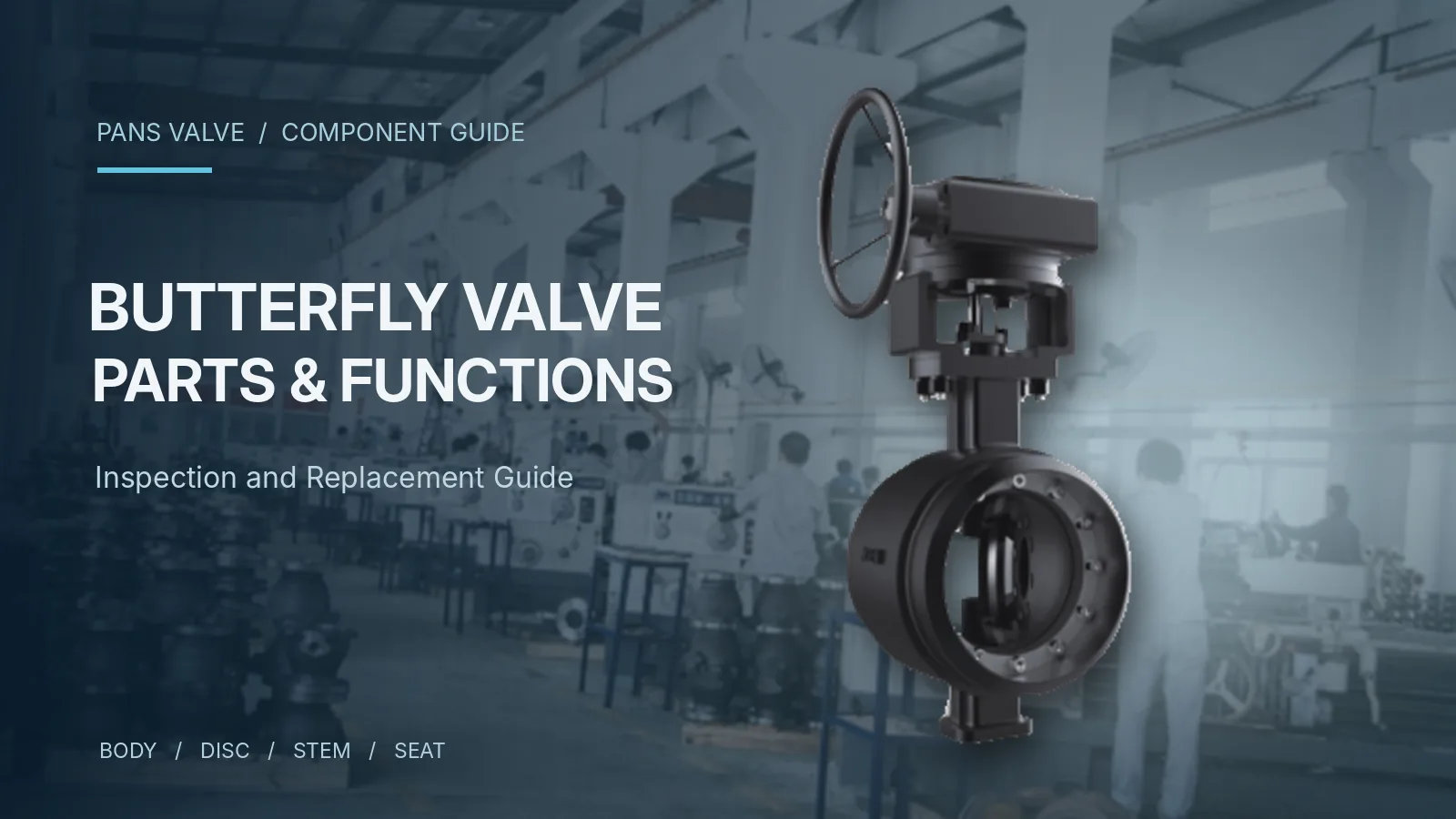
Butterfly Valve Parts and Functions: A Practical Guide for Inspection and Replacement
Quick Answer A butterfly valve has five functional groups: the body and disc, stem and bushings, seat and seals, packing, and actuator mounting interface. Each performs a distinct job and fails in a different way. This guide explains what each part does, how to inspect it, and when to replace it, and why resilient, metal-seated, […]
17 Sep,2026
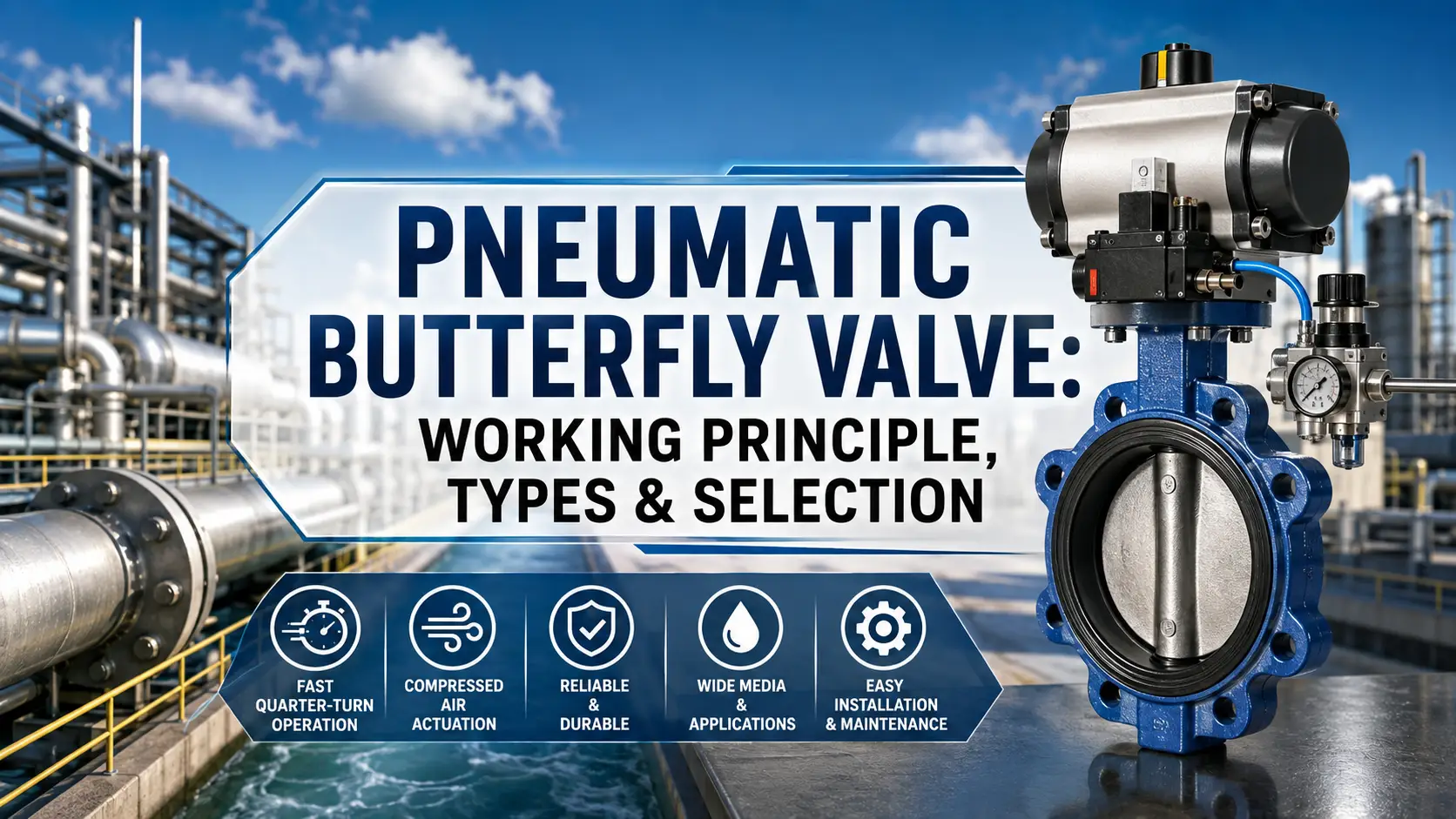
Pneumatic Butterfly Valve: Working Principle, Types & Selection
Quarter-turn. Compressed air. 90-degree disc rotation. That is how a pneumatic butterfly valve controls flow. Fast, automated, compact. Key selection factors are actuator type, seat material, body configuration, pressure class, and whether fail-safe is required. PANS Valve manufactures high-performance butterfly valves to ISO 9001, CE, API, and TUV standards for oil and gas, chemical, water […]
07 Jul,2026
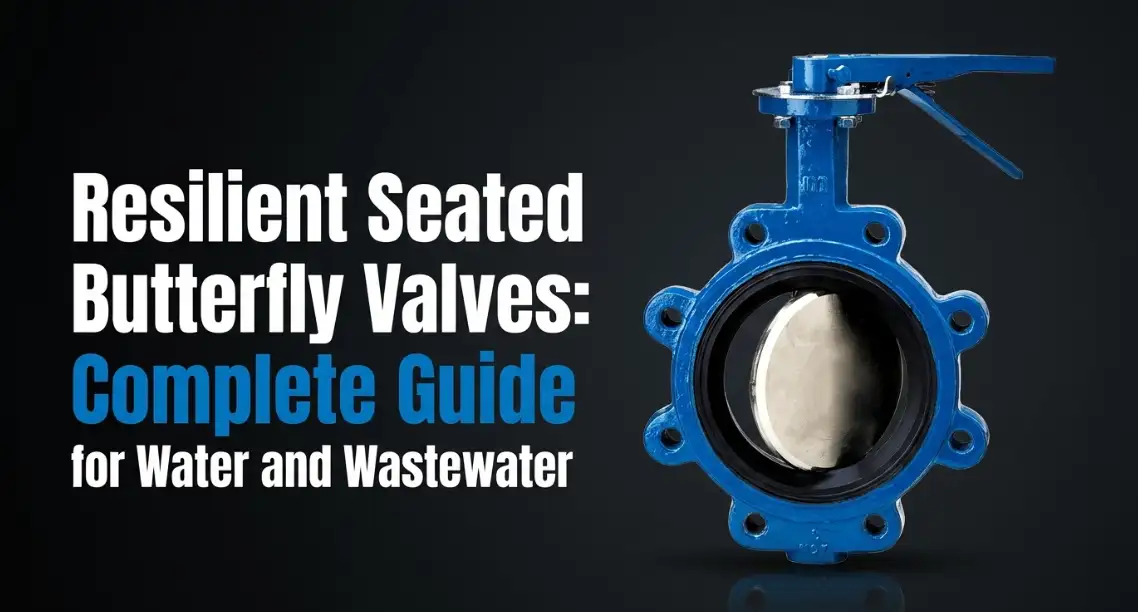
Resilient Seated Butterfly Valves: Complete Guide for Water & Wastewater Applications
Water treatment specs default to resilient seated butterfly valves for a reason. Not sophistication. Just results. An elastomer seat, a rotating disc, bubble-tight shutoff at moderate pressure. Three things working together. Low cost, simple assembly, reliable within its operating range. That is why this valve type shows up on almost every water, wastewater, and HVAC […]

23 Nov,2025
How to Measure Butterfly Valve Size: 4 Reliable Methods
Knowing the correct butterfly valve size is essential for achieving the right flow control, maintaining system efficiency, and preventing costly installation mistakes. In short, you can measure a butterfly valve by checking the pipe diameter, face-to-face dimension, valve markings, and comparing it with a butterfly valve size chart. Whether you are replacing an old valve […]

18 Nov,2025
Understanding Valve Sizing for Optimal Selection
Correct valve sizing ensures that a valve controls flow accurately, prevents system inefficiencies, and extends equipment lifespan. In short, choosing the right valve size is not just about matching pipe diameter, but about understanding how fluid behaves through the valve under actual operating conditions. When valve sizing is done correctly, systems operate safely, efficiently, and […]

10 Nov,2025
Butterfly Valve End Connection Types: What You Need To Know
The main difference among butterfly valve end connection types lies in how the valve connects to the pipeline, which directly affects installation, sealing, maintenance, and overall system reliability. Choosing the right end connection is just as important as selecting materials or disc design because it determines how well the valve fits into your system and […]
Search
Categories
Tags
Product
- Ball Valve
- Floating Ball Valve
- Fully Welded Ball Valve
- Trunnion Ball Valve
- Butterfly Valve
- Full Metal-Seated Bi-Directional Butterfly Valve
- High Performance Butterfly Valve
- Three-Eccentric Metal Hard Seal Butterfly Valve
- Check Valve
- Cast Lift Check Valve
- Cast Swing Check Valve
- Wafer Type Check Valve
- DIN Valve
- DIN Bellow Sealed Globe Valve
- DIN Globe Valve
- DIN Rising Stem Gate Valve
- DIN Swing Check Valve
- Forge Valve
- Forged Check Valve
- Forged Floating Ball Valve
- Forged Gate Valve
- Forged Globe Valve
- Gate Valve
- Bellow Sealed Gate Valve
- Flat Gate Valve
- Wedge Gate Valve
- Globe Valve
- Cast Globe Valve
- Plug Valve
- Eccentricity Plug Valve
- Inverted Pressure Balance Lubricated Plug Valve
- Orbit Plug Valve
- Sleeve Type Plug Valve
- Slurry Valve
- Slurry Valve
- Strainer


